April 18, 2026
Land clearing is essential for preparing land for construction, agriculture, or landscaping. It involves removing obstacles such as trees, brush, rocks, and debris to make land usable and safe. A professional land clearing service ensures efficient operations, minimizes environmental impact, and complies with legal standards.
1. Understanding the Basics of Land Clearing
1.1 Definition and Scope
A land clearing service removes trees, shrubs, and other obstructions to prepare land for residential, commercial, or agricultural use. Services often include debris removal, grading, and soil preparation. Professionals assess the land to determine the best methods and machinery, which may include bulldozers, excavators, and mulching equipment for efficient clearing.
1.2 Common Reasons for Land Clearing
Residential land clearing may be done for landscaping or new home construction, while agricultural projects clear land for crops or livestock. Commercial developers rely on these services to prepare plots for buildings or infrastructure. Even public projects like roads or parks require clearing to create usable space.
1.3 Environmental Considerations
Improper land clearing can harm ecosystems, causing soil erosion and wildlife disruption. A responsible land clearing service employs sustainable practices, such as selective clearing, erosion control, and habitat preservation, to reduce environmental impact. Eco-friendly machinery also helps limit carbon emissions during operations.
1.4 Legal and Regulatory Requirements
Land clearing often requires permits and compliance with local, state, and federal laws. Environmental assessments, excavation permits, or zoning approvals may be needed. Reputable services guide clients through these legal requirements, avoiding fines and project delays while ensuring compliance.
1.5 Different Types of Projects
Projects can range from small residential lots to large commercial or agricultural sites. Residential clearing focuses on yard expansion or home sites, while commercial projects may involve multi-acre developments. Agricultural clearing converts wild land into productive farmland. According to RiseOnlineads.com, with 2–3 full land clearing crews, you can expect 440–660 acres cleared per year, highlighting the scale at which professional teams operate.
2. Preparing for a Land Clearing Project
2.1 Initial Site Assessment
The first step is a site assessment to evaluate land characteristics like vegetation density, terrain, and soil type. This allows the service provider to plan methods and equipment to clear the land efficiently. Environmental and legal constraints are also identified at this stage.
2.2 Cost Estimation and Budgeting
Cost estimates depend on the project’s size, complexity, and equipment needed. Hidden expenses may include legal fees, environmental restoration, or debris disposal. Comparing estimates from multiple land clearing services helps clients plan and budget effectively.
2.3 Selecting the Right Service Provider
Experience, licensing, insurance, and safety compliance are key factors when choosing a service. Verified client reviews and references help ensure reliability. Clear communication about timelines, costs, and methods is essential for a successful partnership.
2.4 Timeline and Project Planning
Setting realistic timelines and planning project phases optimizes efficiency. Factors like weather, permits, and logistics are considered to avoid delays. A structured plan ensures smooth execution and resource management.
2.5 Potential Challenges and Solutions
Challenges such as difficult terrain, unexpected obstacles, or weather disruptions can arise. Experienced teams anticipate these issues and implement contingency plans, ensuring minimal impact on project completion.
3. The Land Clearing Process Explained
3.1 Equipment and Machinery Used
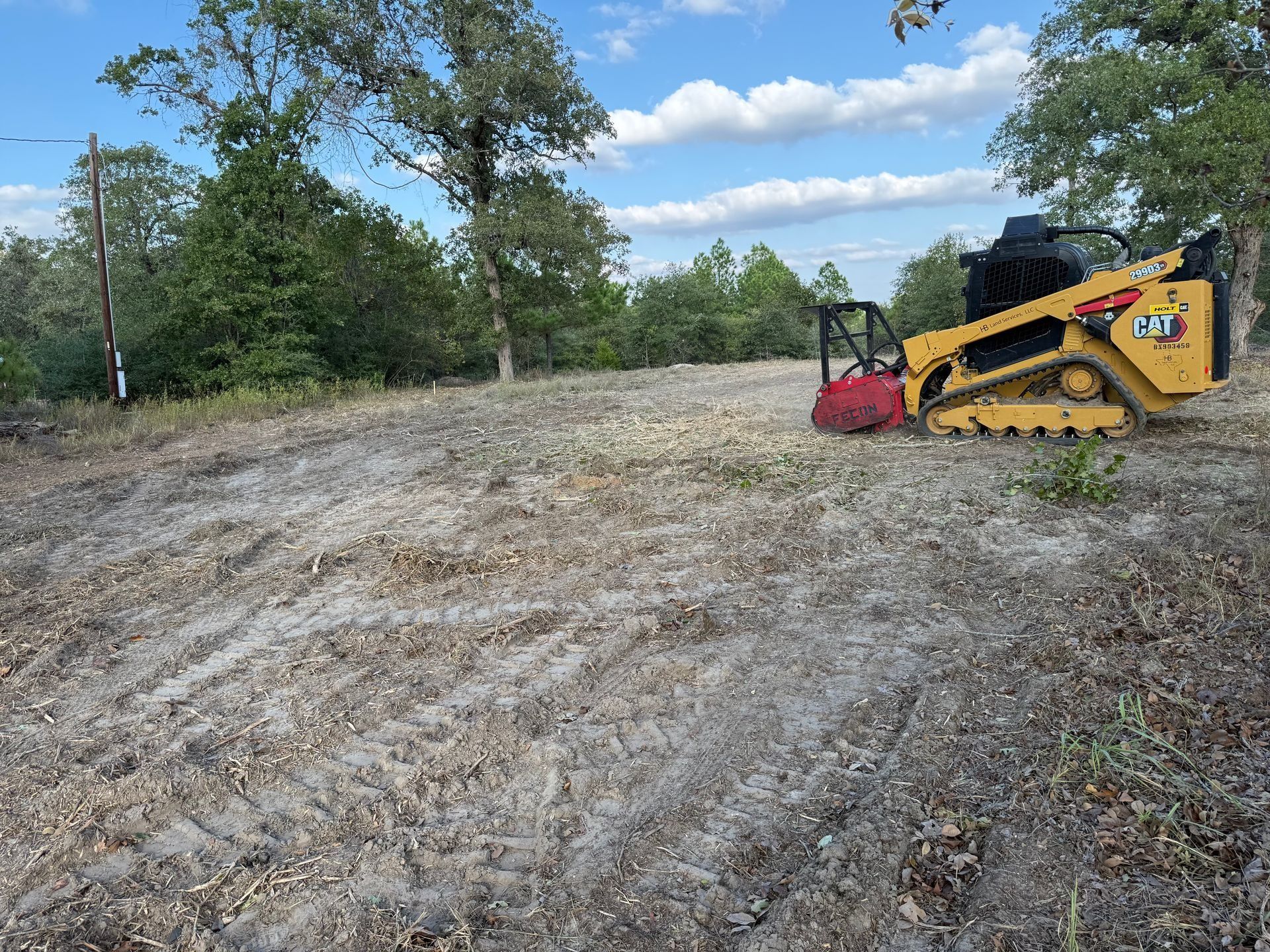
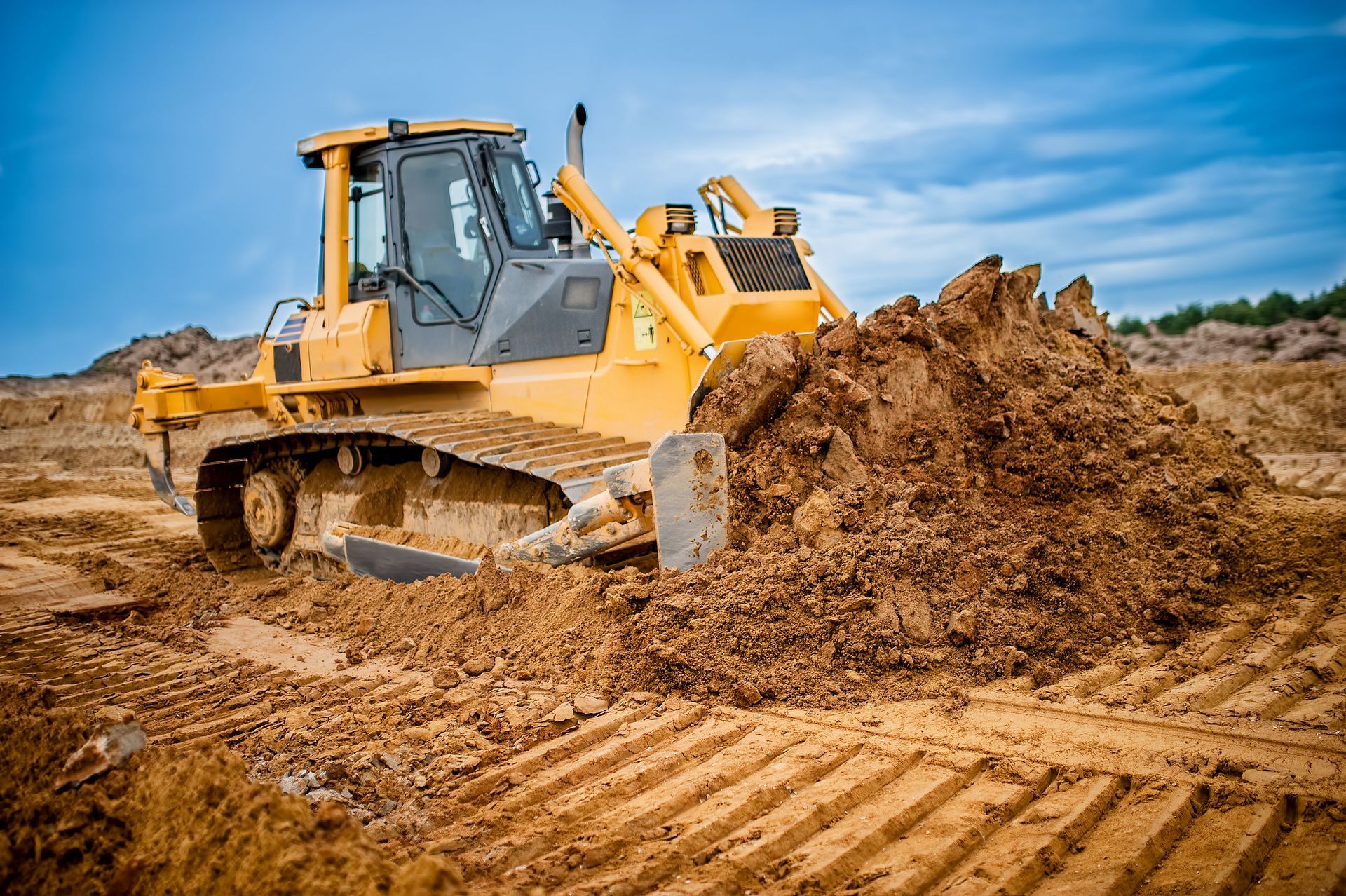
A land clearing service employs bulldozers, excavators, chainsaws, and mulching machines. Modern technologies, including drones, may assist with mapping and monitoring. Proper equipment improves efficiency and ensures adherence to safety and environmental standards.
3.2 Steps Involved in Clearing Land
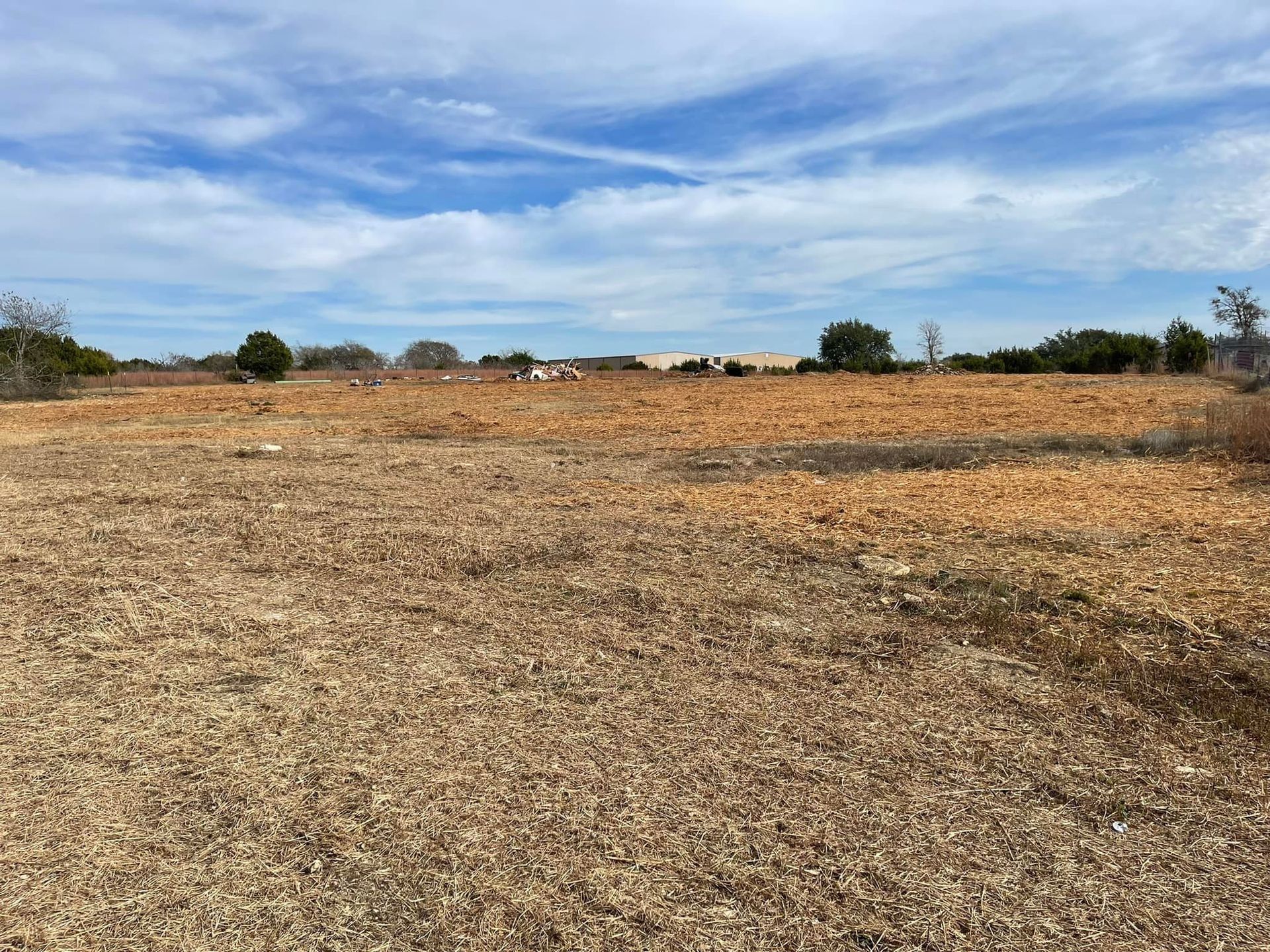
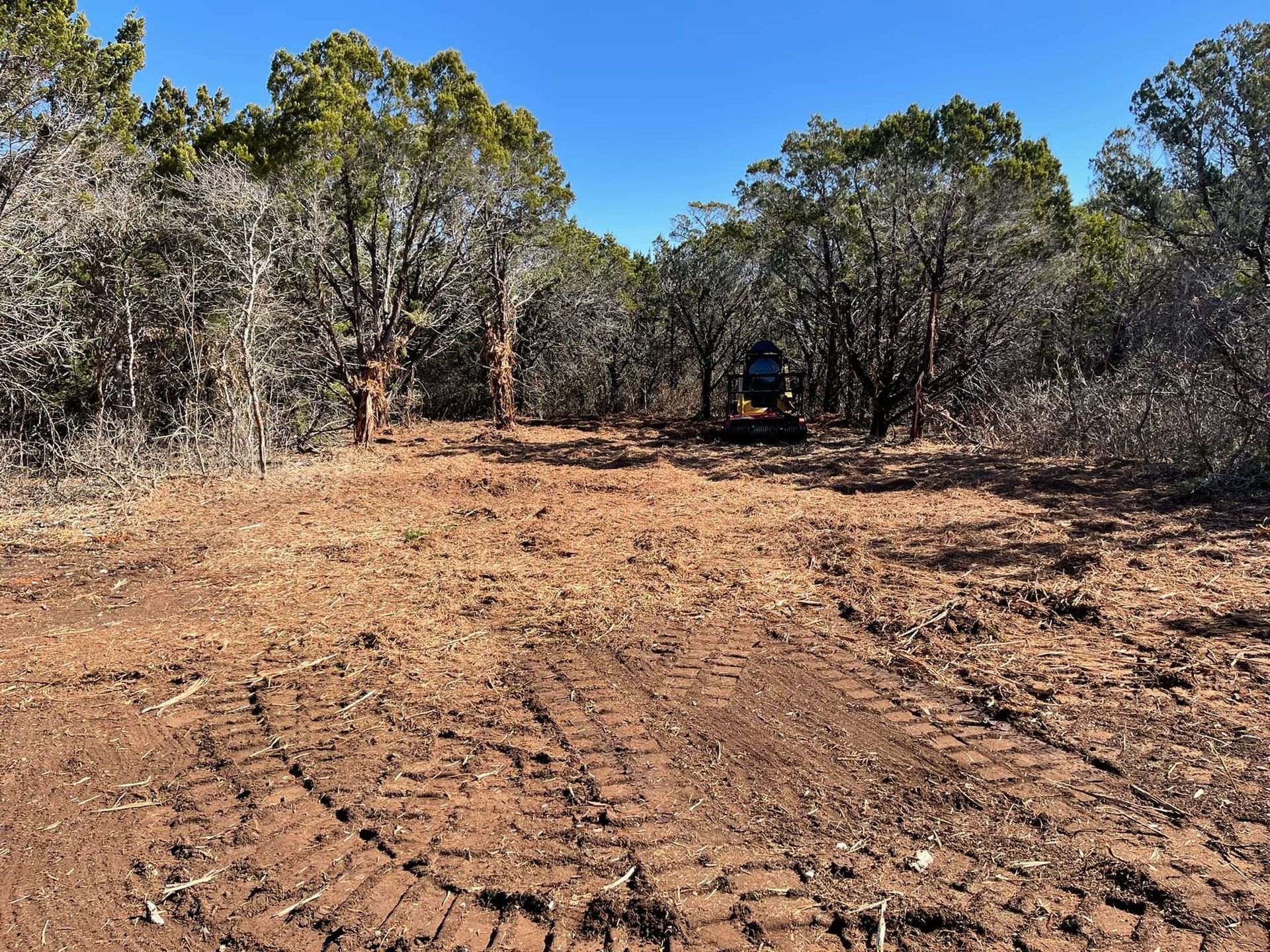
Clearing begins with site inspection and mapping, followed by vegetation and debris removal. Next, the land is graded and leveled to prepare for construction or planting. Debris is disposed of responsibly, often through recycling or designated landfills, ensuring a safe and functional site.
3.3 Safety Protocols and Standards
Professional teams follow strict safety protocols, including protective gear, training, and equipment checks. Safety ensures that workers, clients, and surrounding communities are protected throughout the clearing process.
3.4 Post-Clearing Procedures
Post-clearing involves inspecting the site, removing leftover debris, and implementing soil stabilization or erosion control. These steps prepare the land for long-term use while maintaining safety and environmental compliance.
3.5 Eco-Friendly Clearing Methods
Selective clearing preserves critical vegetation, while mulching converts debris into nutrient-rich soil. A land clearing service may also use aerial assessments to plan clearing with minimal ecological disruption. Sustainable practices support biodiversity and environmental stewardship.
4. Costs and Variables
4.1 Factors Affecting Cost
Costs vary based on land size, vegetation density, terrain complexity, accessibility, and equipment needs. Labor and project duration also affect pricing, requiring careful consideration when budgeting for a land clearing service.
4.2 Hidden Costs to Consider
Unexpected fees may arise from debris disposal, environmental mitigation, or regulatory requirements. Transparent communication with providers helps anticipate these costs and manage the budget effectively.
4.3 Cost Management Tips
Comparing quotes, planning efficiently, and monitoring progress minimize expenses. Clear contracts with defined scopes prevent unanticipated charges, keeping the project within budget.
4.4 Comparing Estimates from Different Providers
Evaluate estimates based on scope, timeline, and hidden costs. Checking service history and client testimonials helps choose a provider offering quality service at a competitive price.
4.5 Financial Planning for Larger Projects
Larger projects demand strategic budgeting and possibly external financing. Contingency reserves and expert guidance help maintain financial stability while completing extensive land clearing projects.
5. Impact and Benefits of Professional Land Clearing
5.1 Improving Property Value
Professional land clearing enhances property value by removing obstacles and improving aesthetics. Cleared land is more appealing to buyers and investors, supporting development and higher returns.
5.2 Enhancing Land Usability
Cleared land is easier to use for construction, farming, or landscaping. Obstacles are removed, access improves, and resources like water and soil can be managed effectively.
5.3 Environmental Restoration Opportunities
Land clearing can support habitat restoration and biodiversity by selectively managing vegetation and invasive species. Cleared areas may also be reforested or restored, balancing development with ecological goals.
5.4 Long-term Land Management
Post-clearing management includes soil maintenance, erosion control, and vegetation monitoring. Proper management ensures that cleared land remains productive and safe for future use.
5.5 Benefits for Agriculture and Commercial Development
Agriculture benefits from increased arable land and better productivity. Commercial projects gain space for infrastructure, maximizing site potential and compliance with zoning regulations.
6. Common Misconceptions
6.1 Environmental Concerns
Professional land clearing services mitigate environmental risks through sustainable practices. Misconceptions often arise when people consider only poorly executed clearing methods.
6.2 Cost vs. DIY Projects
While DIY may seem cheaper, it often leads to higher costs due to inefficiency, safety risks, and noncompliance. A professional land clearing service ensures proper execution and long-term savings.
6.3 Wildlife Impacts
Experts plan clearing to minimize wildlife disruption, using selective methods and seasonal timing to protect habitats while completing projects efficiently.
6.4 Longevity of Clearing Effects
Properly managed projects maintain cleared land long-term. Regular maintenance and monitoring sustain land usability and prevent regrowth from compromising objectives.
6.5 Legal and Permit Requirements
Professional services navigate permits and regulations, ensuring compliance with zoning and environmental laws. This prevents fines and project delays while providing peace of mind.
Engaging a professional land clearing service ensures safe, efficient, and environmentally responsible land preparation. From proper planning to sustainable practices and legal compliance, these services maximize land potential for residential, agricultural, or commercial purposes. Choosing the right provider and maintaining clear land safeguards investment and supports long-term development goals. For more information, contact HB Land Services, LLC.